
Malaysia has been under haze since 8 August 2026. As of 13 August, ten areas recorded unhealthy API readings, with Serian in Sarawak peaking at 204 and Cheras at 127 in Kuala Lumpur. If you are reading this because of that, the fastest useful answer is below.
For haze specifically, the outright pick is the Sharp FP-J40LW at RM959, which has a named haze mode and a verified price. Among CUCKOO models the best-costed plan is the K Model at RM94/month, and the U Model is the only machine in Malaysia with both PM1.0 and TVOC sensing.
The specification that matters most during haze is not filter grade. It is what the sensor can see. Most purifiers sense PM2.5. Haze particulate skews finer than that, so a PM2.5-only sensor under-reads at the start of an event and the auto mode responds late. Call it the PM1.0 Head Start.
And the thing that outweighs every product decision on this page: sealing your room changes indoor PM2.5 by roughly ten times using the same purifier. A sealed bedroom holds 6 µg/m³ where the same room with a window ajar holds 48 µg/m³, in identical outdoor conditions.
Outright-only brands are listed first by price, then CUCKOO, then Coway, per the site’s presentation convention. That is an ordering rule, not a ranking.
Every haze season produces the same two mistakes. People buy a purifier too small for the room, and people run it with a window cracked because the room feels stuffy. The second mistake costs more than the first, and neither is what the product pages talk about.
How do you read the Malaysian API, and when should the purifier be on?
Quick Answer: Malaysia’s Air Pollutant Index runs in bands: 0 to 50 good, 51 to 100 moderate, 101 to 200 unhealthy, 201 to 300 very unhealthy, above 300 hazardous. The Department of Environment publishes readings hourly from 68 monitoring stations through the APIMS portal. The API is a legal-compliance measure rather than a health measure, and the distinction matters for deciding when to run a purifier.
Here is the calibration problem. Malaysia’s 24-hour PM2.5 standard is 35 µg/m³, which is where the API crosses from moderate into unhealthy. The WHO’s 2021 24-hour guideline is 15 µg/m³. So air sitting at 34 µg/m³ is legally compliant, shows as moderate on your phone, and is more than double what the WHO associates with avoidable harm.
The annual gap is wider still. Malaysia’s annual standard is 15 µg/m³ against the WHO’s 5 µg/m³, a factor of three. Malaysia’s national annual average PM2.5 was 16 µg/m³ in 2025, improved from 18.3 in 2024, and still above its own standard.
Most people switch the purifier on when the API says unhealthy and off when it returns to moderate. The moderate band is exactly where a purifier still earns its electricity.
Key takeaway: Treat API 100 as the point where you should already have been running the purifier for days, not the point at which you start.
Why sealing the room matters ten times more than the model you buy
Quick Answer: A purifier does not work against a fixed pollutant load. It works against a continuous refill rate, because haze enters through door gaps, window frames and unsealed aircon penetrations the entire time it is running. The purifier reaches a steady state where its clean air delivery balances that infiltration. Reduce infiltration and the same machine holds a far lower indoor concentration.
Worked for a typical Malaysian bedroom of 144 sq ft, about 40 m³, with a purifier delivering 360 m³/h of clean air, which is 9 air changes per hour:
| Room condition | Air changes/hour of infiltration | Indoor PM2.5 (µg/m³) | vs Malaysian 35 standard | vs WHO 15 guideline |
|---|---|---|---|---|
| Sealed, weatherstripped | 0.5 | 6.3 | 0.2x | 0.4x |
| Normal closed room | 1.5 | 17.1 | 0.5x | 1.1x |
| Gaps under doors | 3.0 | 30.0 | 0.9x | 2.0x |
| Window ajar | 6.0 | 48.0 | 1.4x | 3.2x |
| Window open | 10.0 | 63.2 | 1.8x | 4.2x |
What this table shows: the same purifier, the same room and the same haze, across five levels of how well the room is sealed.
The span from the top row to the bottom is a factor of ten, and no purifier upgrade available in Malaysia buys you a factor of ten. Weatherstripping a bedroom door and window costs under RM100.
This is also why the advice to open windows for fresh air inverts during haze. Outdoor air is the contamination source.
Key takeaway: Seal first, then filter. A RM449 Sharp in a sealed room beats a RM4,400 CUCKOO in a leaky one.
The PM1.0 Head Start: why sensor resolution beats filter grade
Quick Answer: Filter grade differences barely register at room level, but sensor resolution changes when the machine reacts. H13 captures 99.95% of particles at the hardest size to catch; H14 captures 99.995%. That is ten times fewer particles penetrating per pass, and in a room running 9 air changes an hour it works out to a difference of 0.003 µg/m³, which is nothing next to the 42 µg/m³ spread that sealing produces. The sensor is where the real difference sits.
Most air purifiers sense PM2.5. Haze particulate from vegetation and peat fires skews finer than 2.5 microns, with much of the mass sitting below 1 micron. A PM2.5-only sensor is reading a category that haze under-fills at the start of an event, so the auto mode ramps late.
A PM1.0 sensor sees the finer fraction directly. During a rising haze event that means the machine reacts earlier, which matters because the purifier’s job is holding a steady state rather than recovering one. Once a sealed room has loaded up, clearing it again takes far longer than never letting it load.
In Malaysia the only machine with manufacturer-confirmed PM1.0 sensing is CUCKOO’s flagship U Model, which pairs it with a TVOC sensor that picks up combustion gases alongside particulate. CUCKOO dealer listings attribute PM1.0 sensing to the C+ Model as well, but CUCKOO’s own page for that model specifies only a Fine Dust Sensor, so we do not count it.
Two honest qualifications. A sensor only helps if you leave the machine on auto, and our operating advice below is to run at maximum during a known event, which makes the sensor moot for those days. It earns its keep on the shoulder days, at the start and end of an event, when you would not otherwise have the machine running hard.
Key takeaway: Do not pay a premium for H14 over H13 expecting cleaner air. Pay for the sensor if you want the machine to notice the haze before you do.
How we chose these
Four criteria, weighted:
- A documented haze, yellow dust or equivalent maximum-output mode, since haze is a sustained high-load event rather than a sensor-triggered spike.
- Verified RM price from a named Malaysian seller as of 6 to 14 August 2026.
- Sensor resolution and published airflow, so response behaviour and room sizing can be checked rather than trusted.
- Availability and servicing during an active haze event, which is when people actually buy and when filters load fastest.
Presentation order: outright-only brands appear first by ascending price, then CUCKOO, then Coway. This follows the site’s standing convention and is not a performance ranking.
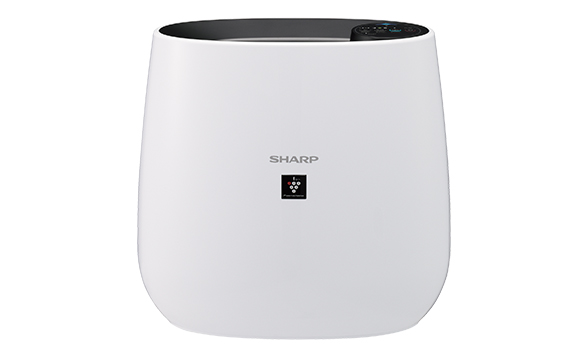
Sharp FP-J30LB (RM449)
Specifications: 23 m² coverage, Plasmacluster, HEPA plus deodorising filter, haze mode.
The cheapest machine in Malaysia with a genuine haze mode. For a single sealed bedroom during an event, this is the whole answer, and the sealing table above explains why spending more often is not.
Haze mode ramps the fan to maximum and holds it, rather than trusting the auto sensor to decide. During a sustained event that is the behaviour you want.
Who it suits: one bedroom, tight budget, buying this week.
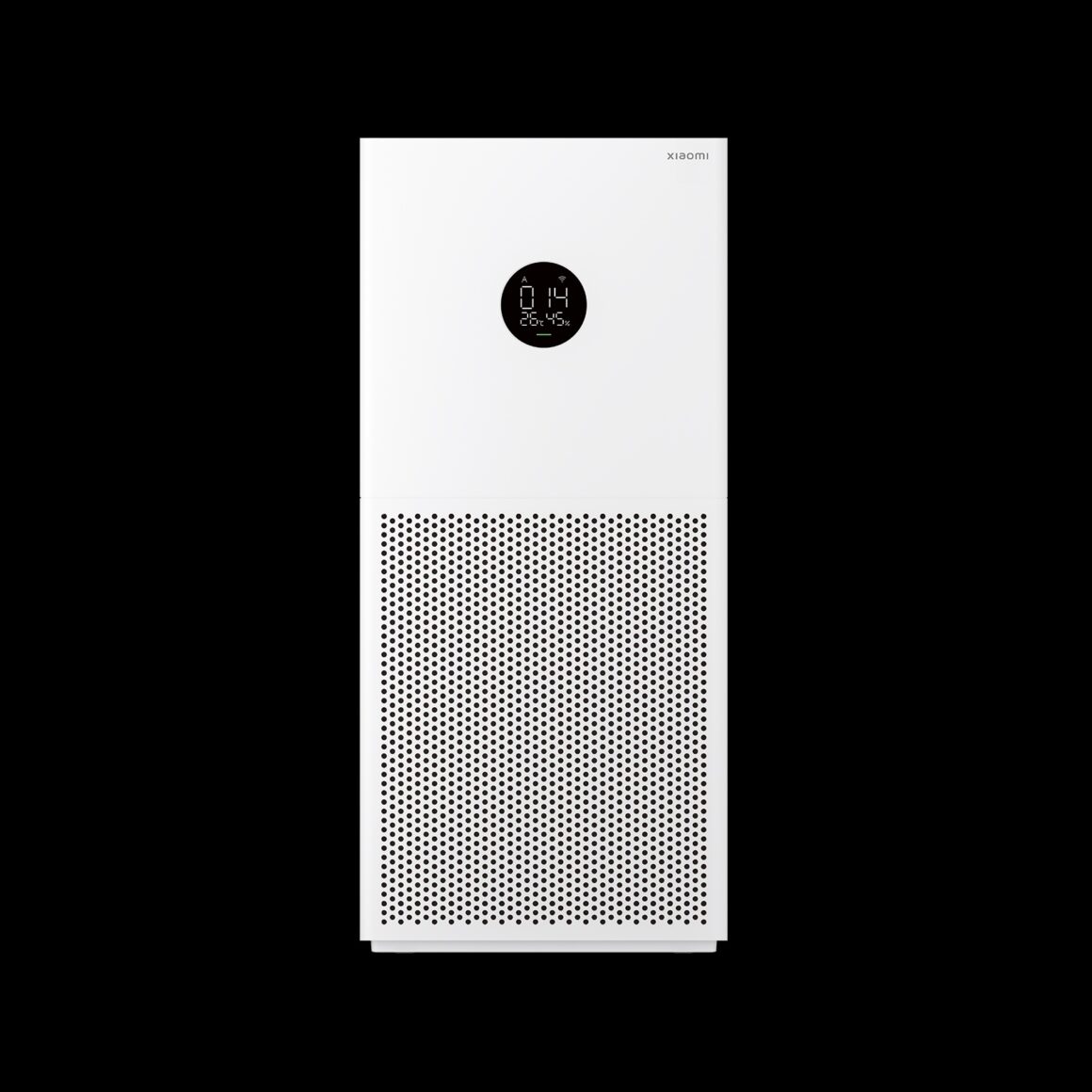
Xiaomi Smart Air Purifier 4 Lite (RM549)
Specifications: CADR 360 m³/h, coverage 25 to 43 m², 33 W, TÜV Rheinland Allergy Care certified. PM2.5 sensing. No dedicated haze mode.
No haze mode, but the highest published airflow under RM1,000 and the only unit in that bracket whose room-size claim you can verify. The calculations in the sealing table use this machine’s airflow precisely because Xiaomi publishes it.
Set it to maximum manually rather than leaving it on auto. Auto modes on PM2.5-only sensors cycle down while a haze event is still building.
Who it suits: buyers who want measurable performance over a marketing feature.
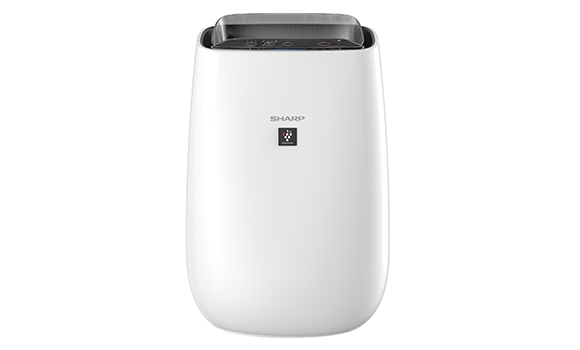
Sharp FP-J40LW (RM959)
Specifications: 30 m² coverage, Plasmacluster at 7,000 ion density, HEPA plus deodorising filter, haze mode.
Our outright pick. The largest Sharp that stays under RM1,000, with haze mode, covering a living room rather than just a bedroom.
Worth restating that Plasmacluster is not what cleans your air during haze. Sharp’s own documentation puts ion-based suppression in hours and days rather than minutes. The HEPA filter does the work on smoke particulate.
Who it suits: a shared living area, or one capable unit rather than two small ones.
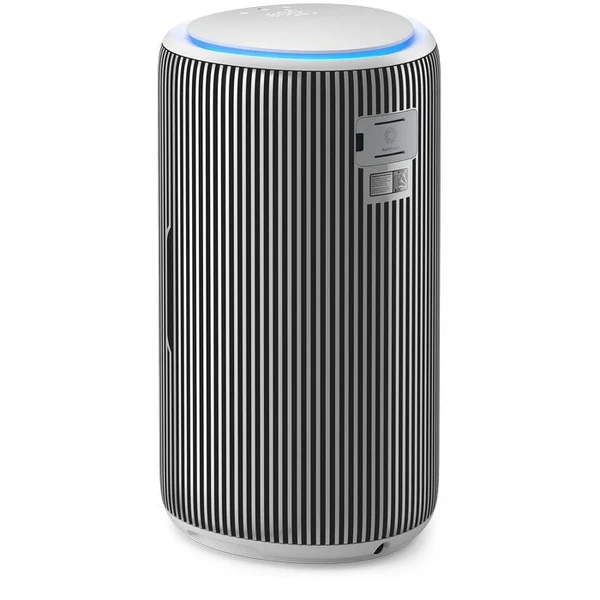
Philips 3200, AC3220/10 (RM1,509)
Specifications: NanoProtect HEPA, active carbon, app control, auto mode, filter lockout. No dedicated haze mode.
The strongest outright option above RM1,000, and Philips publishes CADR where most competitors here do not. No haze mode, but the app lets you lock it to maximum during an event.
The filter lockout deserves specific thought during haze. Filters load faster under sustained smoke and the unit stops when it decides the filter is spent. Order a spare before the season rather than during it.
Who it suits: buyers who want measurable specification and app control.
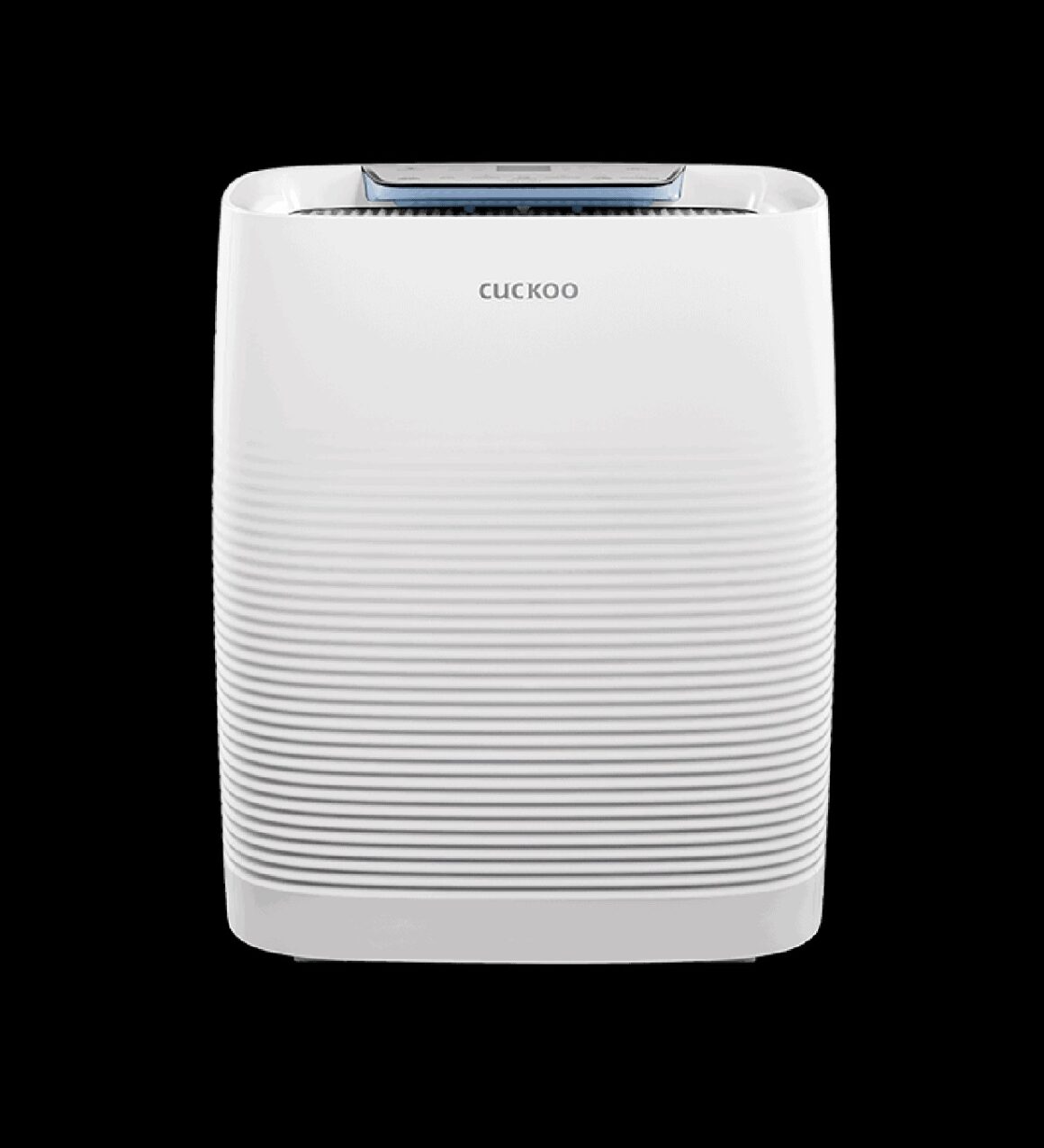
CUCKOO C+ Model (RM3,100 outright, or RM121/month)
Specifications: air purifier and humidifier, 37.4 m² / 402.57 sq ft coverage, HEPA H14 filter, plasma ioniser, 5-stage filtration, 11 operating modes, Fine Dust Sensor plus humidification sensor, 4-language voice navigation in English, Malay, Chinese and Korean, 25 W, 9.2 kg, humidifying capability 300 ml/h with a 2.5 L tank. Outright RM3,100 with 1-year service and warranty; rental RM121/month for years 1 to 3, RM116/month for years 4 to 5 with 5-year service and warranty. CUCKOO+ Care Service Package RM660/year.
Read the product name carefully, because this is a humidifier as well as a purifier. It adds up to 300 ml of moisture per hour to the room. In a country where indoor relative humidity normally sits between 70% and 90%, that is a function most Malaysian households should leave switched off, and our dehumidifier guide argues the opposite case for most homes here.
The purification side is capable and the H14 filter is genuine. But you are paying for a humidification system, a water tank, a humidification sensor and a humidification filter that needs replacing every 4 months, to deliver something Malaysian air already has too much of.
The rental economics are also poor on this model specifically. Sixty months of rental totals RM7,140 against an outright price of RM3,100, a service premium of RM808 a year. That is above CUCKOO’s own RM660 annual service package for this model, so buying outright and paying for servicing separately costs less.
Who it suits: an air-conditioned room that genuinely runs dry, which in Malaysia is a narrow case. Otherwise choose the K Model below.
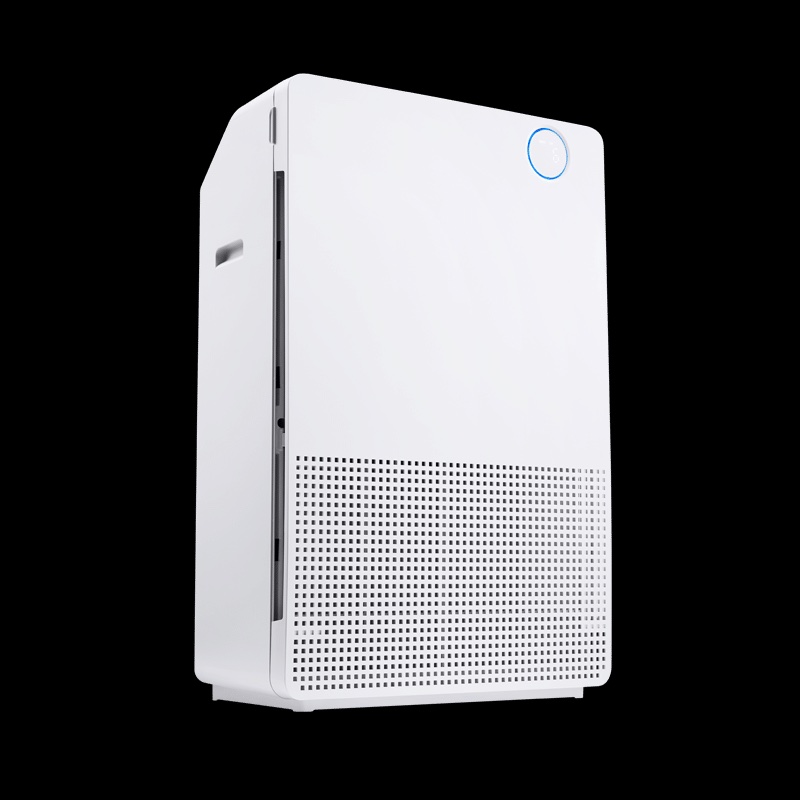
CUCKOO L Model (RM3,200 outright, or RM105/month)
Specifications: 600 sq ft coverage, Ultra-Deo HEPA+ H13 filter with copper sulfide antibacterial coating, plasma ioniser, smart air quality monitoring, voice navigation, Red Dot design recognition.
More coverage than the C+ Model without the humidifier, which for most Malaysian rooms is the better trade. The copper sulfide coating targets microbial growth on the filter surface, which is a humidity concern here as much as a haze one.
CUCKOO does not publish an individual price for this model on its Malaysian site, only the range-wide band. Ask for it specifically.
Who it suits: medium living rooms, and buyers who care how the machine looks.
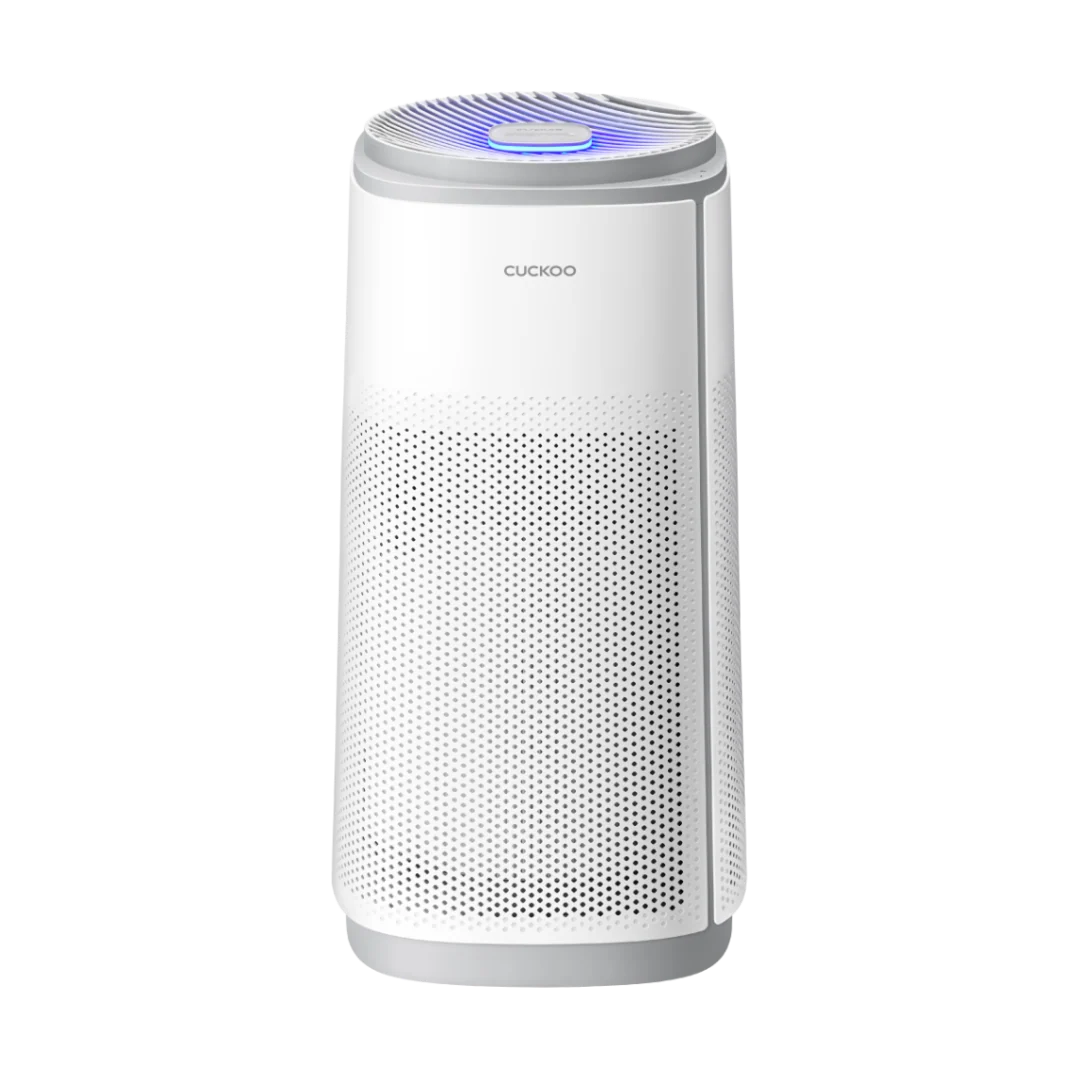
CUCKOO K Model (RM94/month for years 1 to 3, RM89/month for years 4 to 5)
Specifications: 710 sq ft coverage, HEPA H13, 360° air intake and circulation, energy-saving mode that adjusts fan speed to air quality and room brightness, 3 fan speeds, 4-language voice navigation. CUCKOO+ Care Service Package RM605/year.
Our CUCKOO pick. More coverage than the C+ Model at a lower monthly rate, no humidifier, and the lowest published CCSP rate in the range. Five years of rental totals RM5,520 including all servicing and filter changes.
The 360° intake matters in an open-plan area where you cannot guarantee airflow reaches one face of the unit. CUCKOO also publishes a CADR of 520 m³/h for one H13 model in this range, the highest airflow figure any brand publishes in this guide, though the listing does not clearly attribute it to a specific model. Confirm before buying on that basis.
Who it suits: open-plan living areas and larger family rooms, and the default CUCKOO choice for haze.
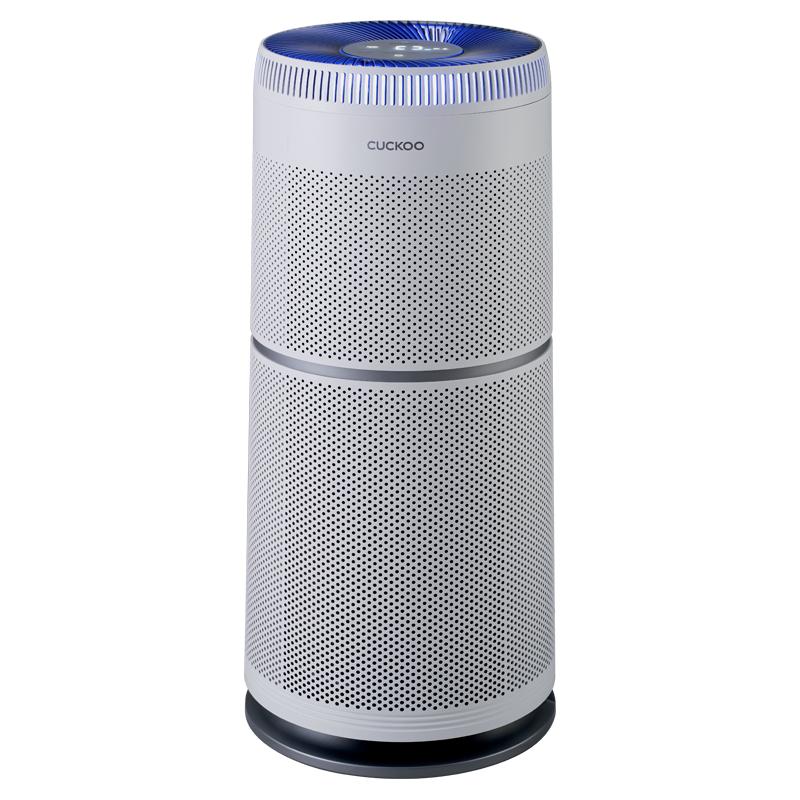
CUCKOO U Model (RM143/month or RM4,400 outright)
Specifications: 1,161 sq ft coverage, 4-stage filtration with pre-filter, allergen filter, True HEPA+ H14 and deodorisation filter with copper sulphide coating, PM1.0 ultra-fine dust sensor plus TVOC gas sensor, 8-colour LED air quality indicator, 10 modes, 53.7 dB, 360° absorption. CUCKOO states the H14 filter removes 99.995% of airborne particles and 99.9% of influenza A virus H3N2 in its own testing.
The sensor pick. The only machine in this guide with manufacturer-confirmed PM1.0 and TVOC sensing. The TVOC sensor detects combustion gases rather than particulate, which during a vegetation or peat fire event is a genuinely different signal from the dust reading.
Two cautions. The 1,161 sq ft figure will not deliver allergy-grade air turnover across that area; treat it as a large-room machine. And at RM143 a month the service premium is RM836 a year, above every CCSP rate CUCKOO publishes, so outright purchase is the better structure here too.
Who it suits: offices, clinics and large open-plan homes that want the earliest possible warning.
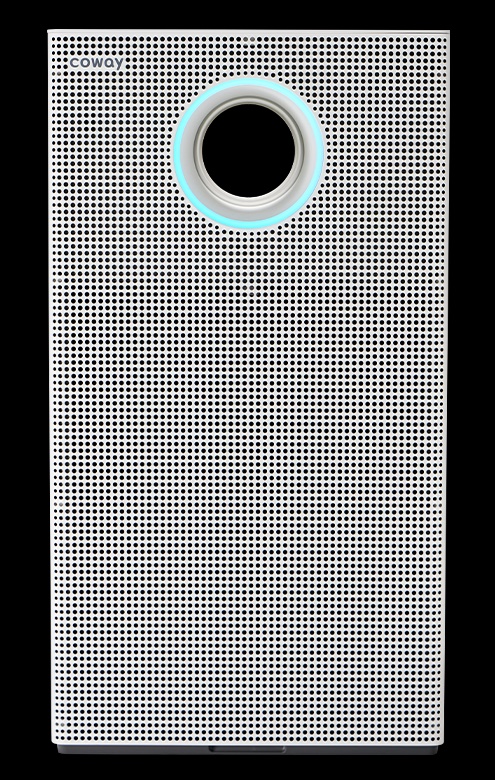
Coway Storm 2, AP-1523D (RM70/month or RM3,190 outright)
Specifications: Copper HEPA H13, RBD plasma, haze mode built for the Malaysian market, rental from RM70/month on a 60-month contract with servicing included. PM2.5 sensing.
The one Coway entry here, and it earns the place on rental economics rather than specification. At a service premium of RM202 a year it is the cheapest serviced plan we have costed in any appliance category, and during haze the included filter replacement is worth more than usual.
Coway builds haze mode for this market specifically rather than translating a feature designed elsewhere.
Who it suits: households wanting haze capability plus scheduled servicing without a large upfront payment.
What do haze-capable air purifiers cost in Malaysia?
Quick Answer: Outright, RM449 to RM4,400. On rental, RM70 to RM143 a month with servicing and filters included. A named haze mode is manufacturer-confirmed on Coway and Sharp, and dealer-reported as a Yellow Dust mode on CUCKOO’s C+ Model. Philips and Xiaomi rely on auto modes without a named setting.
| Model | Price | Haze mode | Filter | Sensor | Coverage |
|---|---|---|---|---|---|
| Sharp FP-J30LB | RM449 | Yes | HEPA | Not published (MY) | 23 m² |
| Xiaomi 4 Lite | RM549 | No | HEPA | PM2.5 | 25 to 43 m² |
| Sharp FP-J40LW | RM959 | Yes | HEPA | Not published (MY) | 30 m² |
| Philips 3200 (AC3220/10) | RM1,509 | No | NanoProtect HEPA | Particulate | Large rooms |
| CUCKOO C+ Model | RM121/mo or RM3,100 | Dealer-reported | H14 | Fine Dust | 402 sq ft (+ humidifier) |
| CUCKOO L Model | RM105/mo or RM 3,200 | Not published (MY) | H13 | Air quality | 600 sq ft |
| CUCKOO K Model | RM94/mo | Not published (MY) | H13 | Air quality | 710 sq ft |
| CUCKOO U Model | RM143/mo or RM4,400 | Not published (MY) | H14 | PM1.0 + TVOC | 1,161 sq ft |
| Coway Storm 2 | RM70/mo or RM3,190 | Yes | H13 | PM2.5 | Not published (MY) |
What this table shows: which machines carry a dedicated haze or yellow dust mode, what grade of filter and sensor each uses, and at what price.
Key takeaway: CUCKOO publishes filter grade and sensor resolution across the range where most competitors publish neither. Coverage figures should still be halved for allergy-grade air turnover.
How to run a purifier during a haze event
Order matters, and most of it costs nothing.
- Seal the room first. Weatherstrip the door gap and window frames where people sleep. Highest-return action on this page, worth roughly a factor of ten, for under RM100.
- Close it and keep it closed. Every door opening resets the room. Choose one room and treat it as the clean room.
- Run at maximum, not auto, once an event is confirmed. Use haze or Yellow Dust mode if the machine has one.
- Leave it on auto on the shoulder days. This is where a PM1.0 sensor earns its money, at the start and end of an event.
- Check the filter weekly, not monthly. Sustained smoke loads a filter far faster than normal conditions.
- Order spares before the season. MetMalaysia announces the Southwest Monsoon onset publicly, 14 May in 2026 and 10 May in 2025, which is a reliable annual cue.
- Size for one room, not the house. Two purifiers in two sealed bedrooms beat one large machine in a hallway.
When an air purifier is not the answer
You need to go outside. A purifier does nothing beyond your sealed room. Outdoor protection is a properly fitted N95 or KN95 respirator, not a surgical or cloth mask.
Your room cannot be sealed. Louvre windows, permanent ventilation grilles and unsealed aircon penetrations put infiltration at the bottom of that table, where the purifier is losing.
You want one machine for a whole house. Buy two smaller units and place them where people sit and sleep.
You are buying during the event and want it tomorrow. Haze buying is seasonal and the market runs dry, which is the argument for buying in April rather than August.
For the wider comparison, our brand comparison of CUCKOO, Coway, Philips and Sharp covers rental economics in full, the sub-RM1,000 guide covers the budget end, and our air purifier filter replacement cost guide matters more than usual in a season that loads filters fast. If your problem is damp rather than smoke, see our dehumidifier guide.
Frequently asked questions
Do air purifiers actually work against haze?
Yes, for indoor air in a closed room. Haze is fine particulate that HEPA filters capture efficiently. The limit is infiltration: haze enters continuously through gaps, so the purifier reaches a steady state rather than clearing the room. In a sealed bedroom a typical purifier holds indoor PM2.5 near 6 µg/m³ against 150 outdoors. With a window ajar the same machine holds 48 µg/m³.
Which air purifiers have a haze mode in Malaysia? Coway and Sharp confirm one; CUCKOO’s is dealer-reported.
Coway builds haze mode into Malaysian models including the Storm 2, and Sharp includes it across the FP-J range. CUCKOO dealer listings describe a Yellow Dust mode on the C+ Model, but CUCKOO’s own page lists 11 modes without naming them. Philips and Xiaomi have no named haze setting, though their auto modes respond to particulates and can be locked to maximum manually.
Is H14 better than H13 for haze?
On paper, yes: H13 captures 99.95% of particles at the hardest size to catch and H14 captures 99.995%, so ten times fewer penetrate per pass. In practice the room-level difference is about 0.003 µg/m³, which is negligible against the 42 µg/m³ swing that room sealing produces. Choose on sensor resolution and coverage instead.
What API reading should I turn my air purifier on at?
Earlier than most people do. Malaysia’s API crosses into unhealthy at 101, corresponding to a 24-hour PM2.5 of about 35 µg/m³. The WHO guideline is 15 µg/m³. Air in the moderate band of 51 to 100 can sit at more than twice the WHO level, so the purifier should be running through moderate readings.
Is there haze in Malaysia right now?
Malaysia has been experiencing haze since 8 August 2026, attributed to El Niño and the Southwest Monsoon producing below-average rainfall, combined with local and transboundary fires. As of 13 August, ten areas recorded unhealthy API readings, worst in Sarawak. Conditions change hourly, so check the Department of Environment’s APIMS portal.
Should I buy or rent an air purifier for haze?
Rental makes a stronger case during haze because filters load fast and plans replace them on schedule at no extra charge. CUCKOO includes filter replacement and deep cleaning every four months. The Coway Storm 2 at RM70 a month carries the lowest service premium we have costed at RM202 a year. For a single season on a budget, a RM449 Sharp FP-J30LB outright in a sealed bedroom is cheaper.


